Custom Security Solutions: The Function of Security Equipment Suppliers in Enhancing Safety
Wiki Article
Exploring the Duty of Gain Access To Control Systems in Enhancing Protection Devices Effectiveness and Efficiency
Gain access to control systems are significantly recognized as important components in the landscape of protection management, offering a structured approach to manage accessibility to sensitive locations and details. Their capacity to incorporate with different protection innovations, such as security cameras and alarm system systems, dramatically enhances the general performance and performance of safety procedures.Comprehending Gain Access To Control Solution
Accessibility control systems play an essential role in guaranteeing the protection of numerous environments, from company workplaces to sensitive federal government centers. These systems control that can enter or leave a designated area, thereby protecting possessions and sensitive details. The fundamental parts of gain access to control systems consist of consent, recognition, and verification processes.Identification entails validating a person's identification, typically through credentials such as essential cards, biometric data, or passwords. As soon as identified, authentication validates the person's right to access, commonly through multi-factor authentication techniques to boost safety and security. Consent determines the level of gain access to given, enabling for set apart approvals based on roles within the organization.
Access control systems can be categorized into two main types: rational and physical. Physical gain access to control refer to concrete places, while rational gain access to control governs digital information systems. Both types work synergistically to provide extensive safety and security services.
Integration With Security Technologies
The assimilation of gain access to control systems with other security modern technologies is necessary for producing a holistic protection atmosphere. By combining accessibility control with video clip surveillance, invasion discovery, and alarm, organizations can improve their overall protection pose. This interconnected framework permits real-time tracking and rapid action to safety and security incidents, enhancing situational awareness and functional efficiency.As an example, integrating accessibility control with video security allows protection workers to validate gain access to occasions visually, making sure that just licensed people are given entrance. When accessibility control systems are linked to alarm systems, any type of unapproved access attempts can activate prompt alerts, triggering speedy activity.
Furthermore, the combination of accessibility control with cybersecurity actions is increasingly important in shielding delicate information and physical assets. By lining up physical safety methods with IT security systems, organizations can ensure that both digital and physical access points are kept track of and managed successfully.
Advantages of Improved Safety Workflow
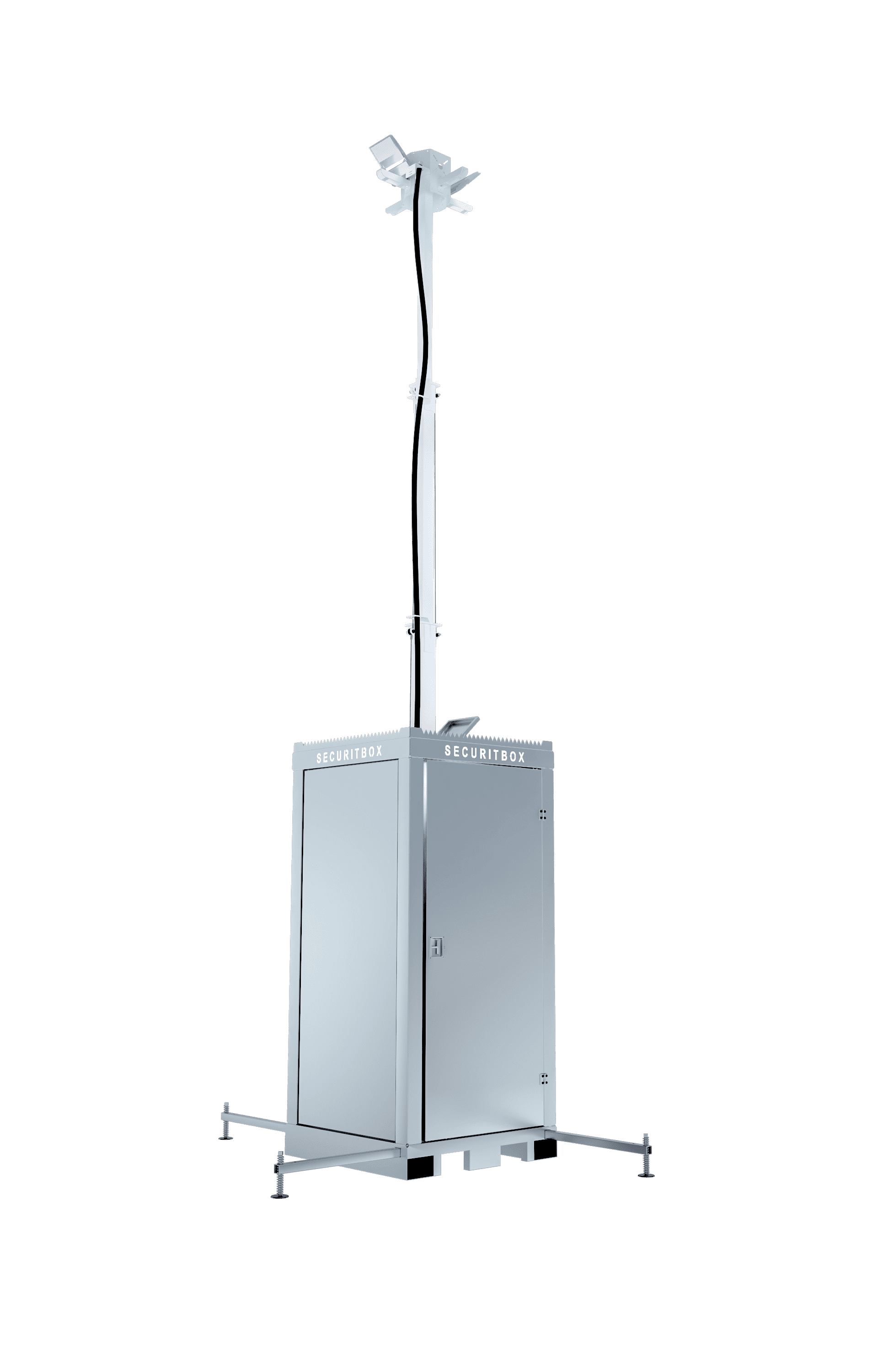
Moreover, enhanced security operations promote real-time monitoring and incident action. With integrated systems that encompass monitoring video cameras, alarms, and gain access to controls, safety teams can quickly determine and attend to possible risks. This proactive technique permits timely treatments, minimizing the likelihood of safety and security breaches and prospective losses.
Additionally, reliable safety and security operations add to a society of safety and security within the organization. Staff members are likely to feel even more protected when they recognize that robust actions are in area, resulting in raised spirits and productivity. In addition, making use of information analytics from access control systems allows companies to evaluate protection trends, improve plans, and assign sources properly.
Considerations and difficulties

Furthermore, organizations need to attend to the possibility for information violations. Accessibility control systems often deal with sensitive information, and any susceptabilities can subject this information to unapproved access. custom security solutions. Guaranteeing durable cybersecurity steps is necessary to safeguard against such risks
Customer training is another important factor to consider. Workers should recognize exactly how to make use of access control systems successfully, as improper usage can cause safety spaces. Organizations have to stabilize security with customer comfort; overly limiting gain access to can prevent efficiency and lead to workarounds that compromise protection procedures.
Conformity with legal and regulatory demands is also vital. Organizations should make certain that their gain access to control systems fulfill market criteria and local regulations, which can vary dramatically. The continuous upkeep and monitoring of these systems require specialized sources, making it essential for companies to allot appropriate budget plans and employees to make certain long-term efficiency and effectiveness.
Future Trends in Gain Access To Control
Preparing for the future of access control exposes a landscape increasingly shaped by technical innovations and evolving safety and security demands. One substantial trend is the integration of expert system (AI) and equipment understanding, which enhance decision-making capabilities and automate risk detection. These innovations enable for real-time evaluation of accessibility patterns, making it possible for even more flexible and receptive protection actions.Biometric verification is additionally obtaining grip, with advancements in finger print, face acknowledgment, and iris scanning technologies providing improved safety and user convenience. As these systems become more economical and sophisticated, their fostering throughout various sectors is anticipated to climb.
An additional arising pattern is the shift towards cloud-based accessibility control systems. These remedies supply scalability, remote administration, and centralized information storage space, enabling organizations to boost and enhance operations efficiency.
In Addition, the Web of Things (IoT) is readied to reinvent access control by making it possible for interconnected gadgets to communicate and share information, consequently enhancing situational recognition and safety responsiveness.
Conclusion
In verdict, accessibility control systems considerably improve the efficiency and performance of protection equipment by helping with accurate recognition, verification, and consent procedures. While factors to consider and challenges exist, the ongoing evolution of access control innovations guarantees to additional enhance safety and security operations.Gain access to control systems are progressively acknowledged as necessary elements in the landscape of safety administration, supplying an organized technique security equipment suppliers to control access to sensitive areas and details. Physical access control pertains to tangible areas, while sensible gain access to control governs digital information systems.The assimilation of accessibility control systems with various other safety innovations is important for creating a holistic security setting. Gain access to control systems typically deal with sensitive details, and any type of vulnerabilities could reveal this data to unauthorized accessibility. Companies should stabilize safety with user benefit; extremely restrictive gain access to can impede performance and lead to workarounds that jeopardize safety and security protocols.
Report this wiki page